3D Replica Car Models
Project Overview
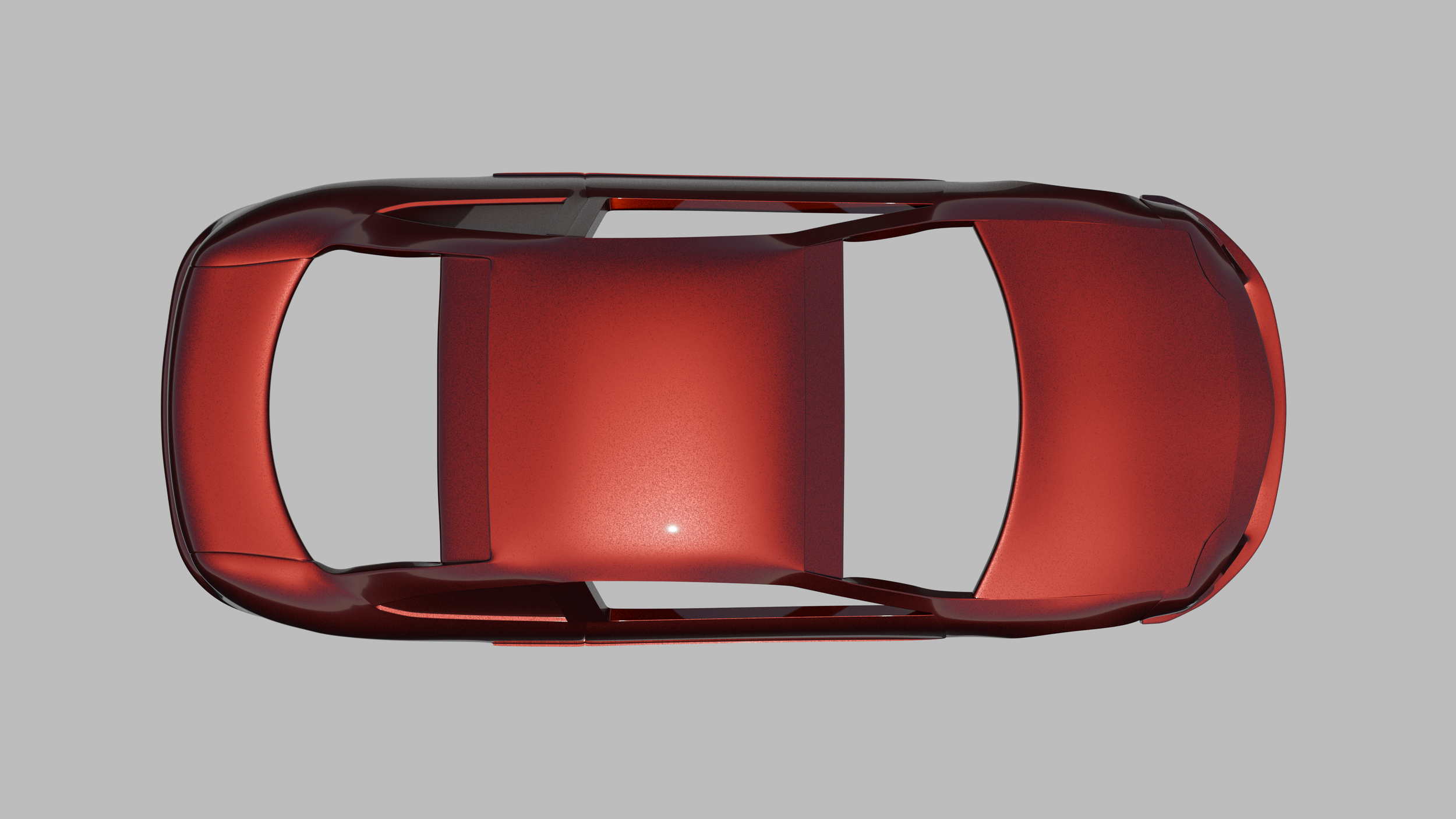
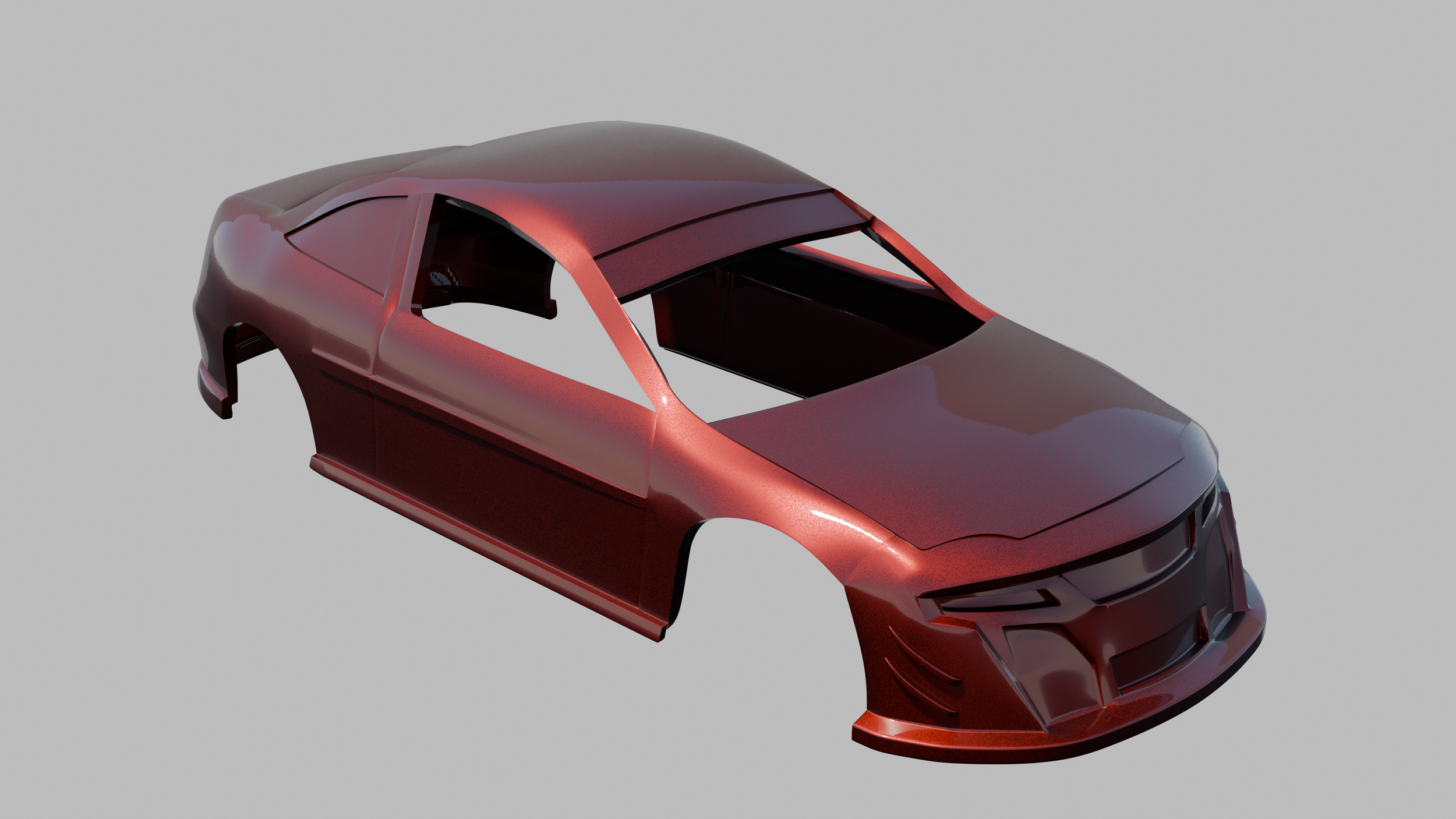
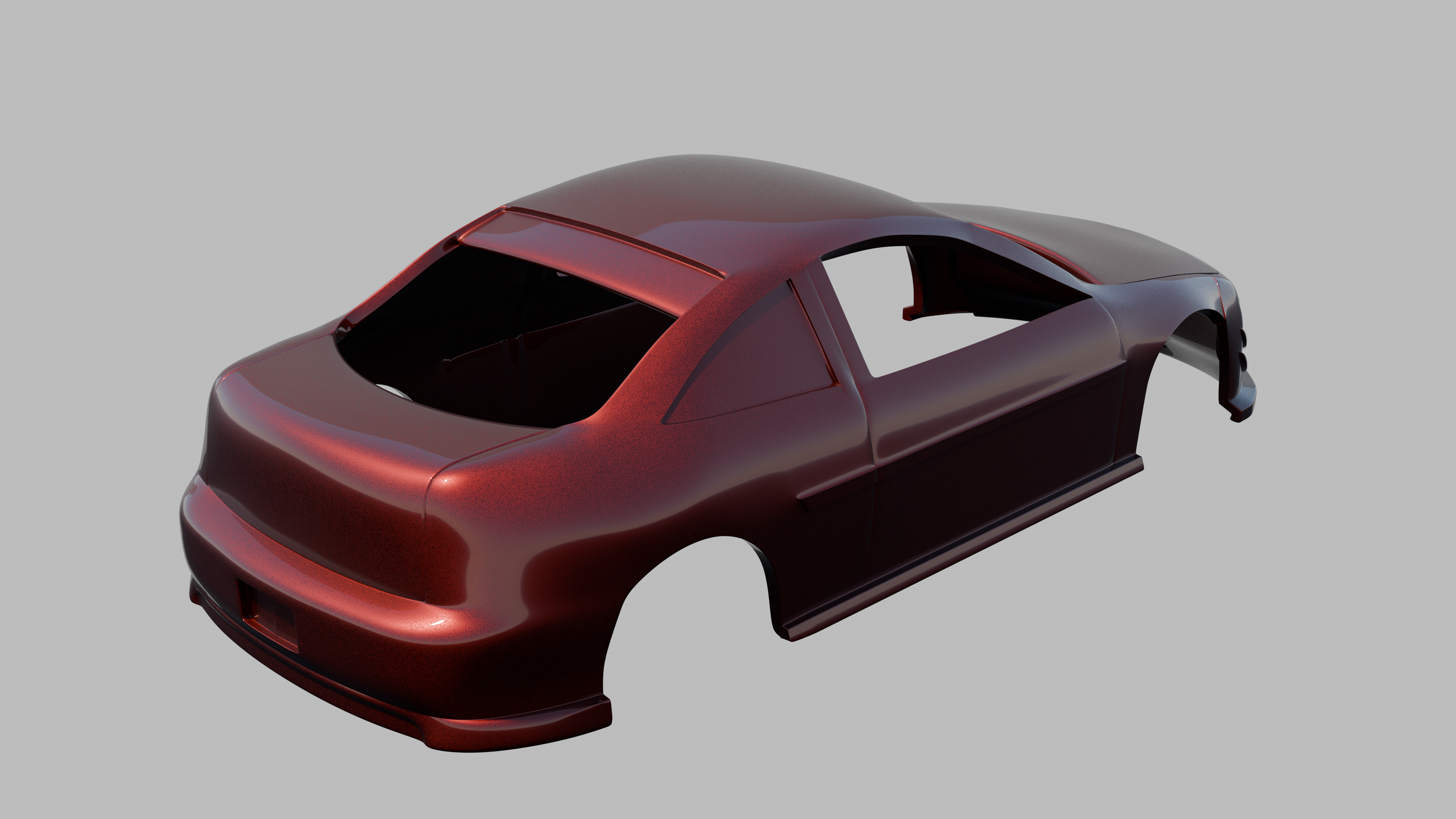
This project focused on designing detailed 3D models that could be transformed into custom replica cars. Using Blender for modeling and rendering, I developed subdivision surface models based on stock vehicles, with the goal of accurately capturing their proportions, silhouettes, body lines, and defining details.
The completed models were provided to my client for 3D printing, creating the physical body of each replica. The client then customized each model with frames, wheels, racing graphics, and matching vinyl kits to replicate the customer’s chosen vehicle.
These projects allowed me to strengthen my skills in subdivision surface modeling, automotive form development, and digital-to-physical product workflows, while gaining experience translating complex vehicle geometry into printable forms.
Process
Each replica car began with a stock vehicle as the primary reference. I studied the reference imagery to understand the vehicle’s proportions, silhouette, body lines, surface transitions, and defining exterior details.
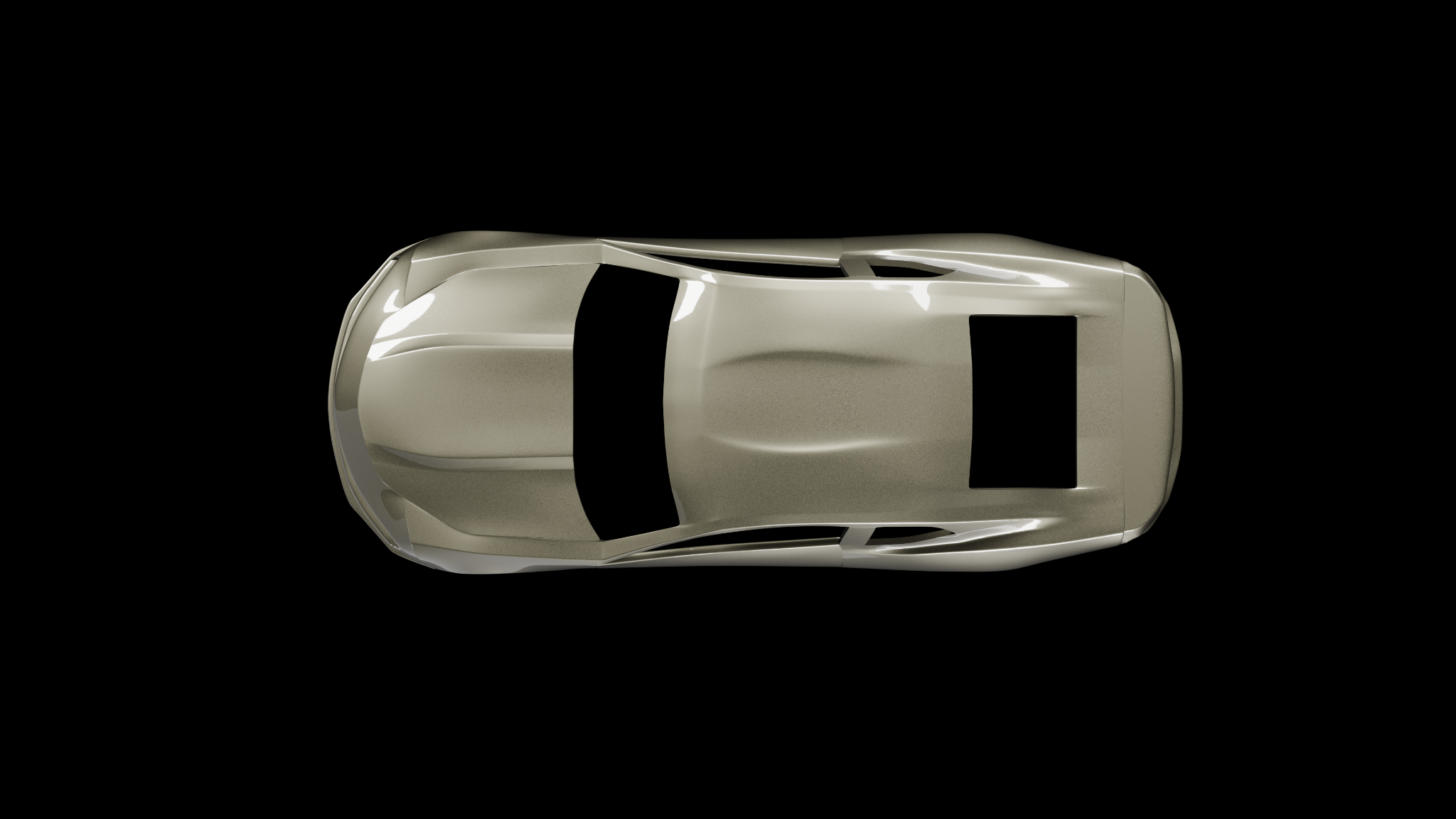
Using Blender, I developed each vehicle as a subdivision surface model, progressively refining the geometry to maintain clean, accurate surfaces while capturing the character and styling of the original vehicle. I also used Blender to create renders and visual presentations of the completed models.
Once finalized, the models were prepared and provided to the client for 3D printing, creating the physical body of each replica. The client then completed the models by adding custom wheels, racing graphics, vinyl decals, and other details to closely match the customer’s selected vehicle.
This process strengthened my subdivision modeling skills while giving me hands-on experience with how digital automotive geometry can be developed, refined, presented, and ultimately translated into a physical customized product.
2024 Camaro Stock Car
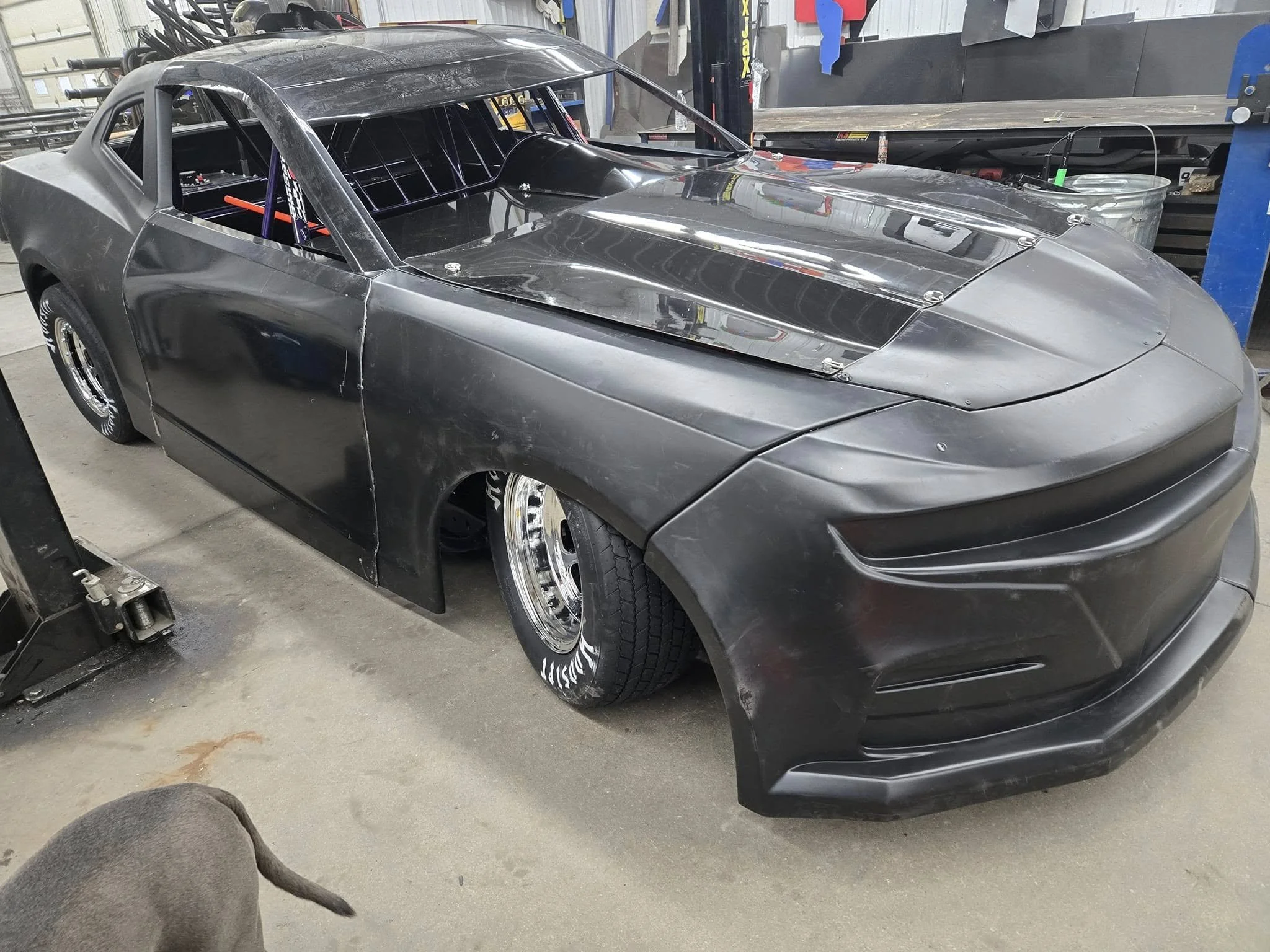
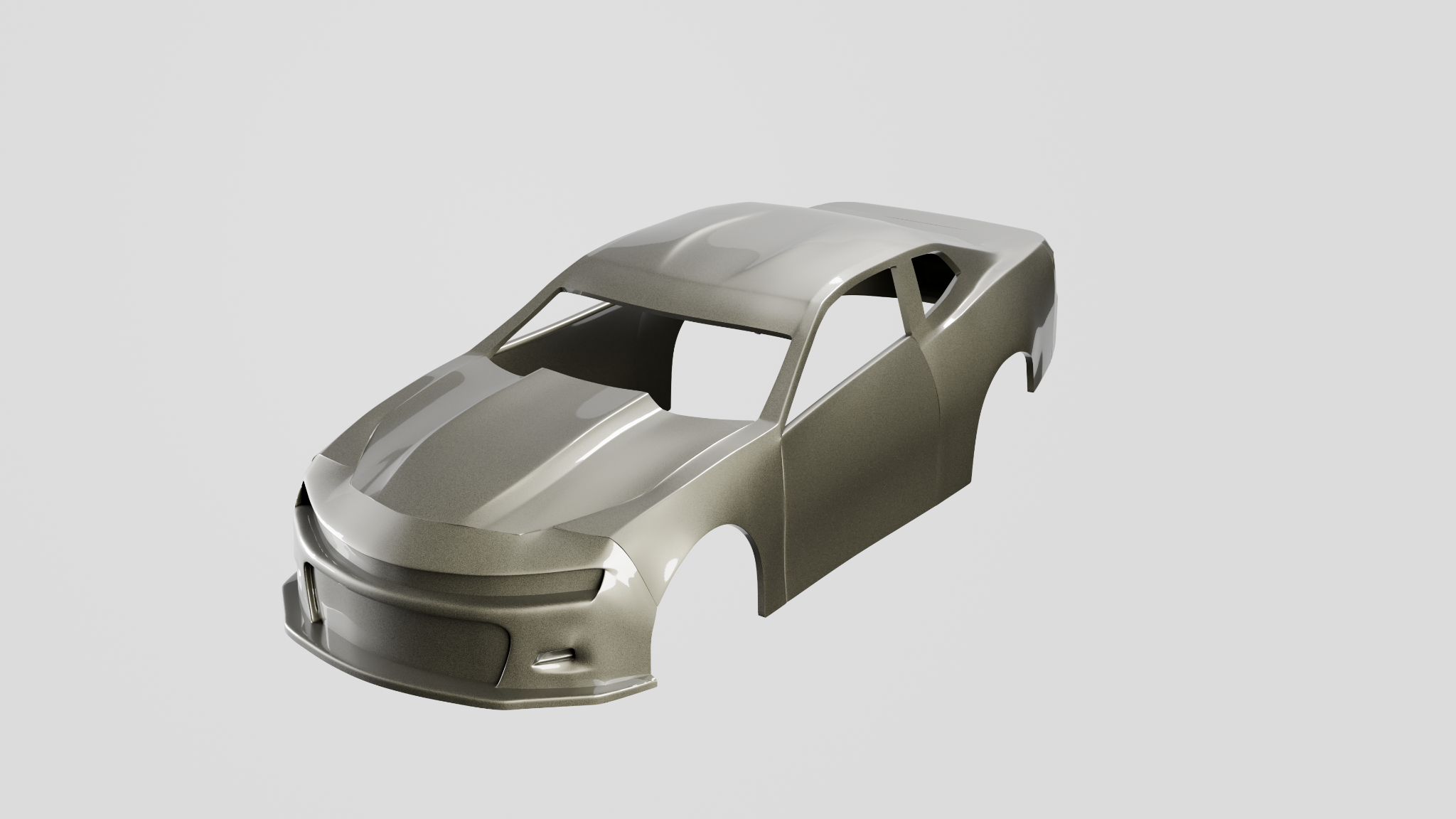
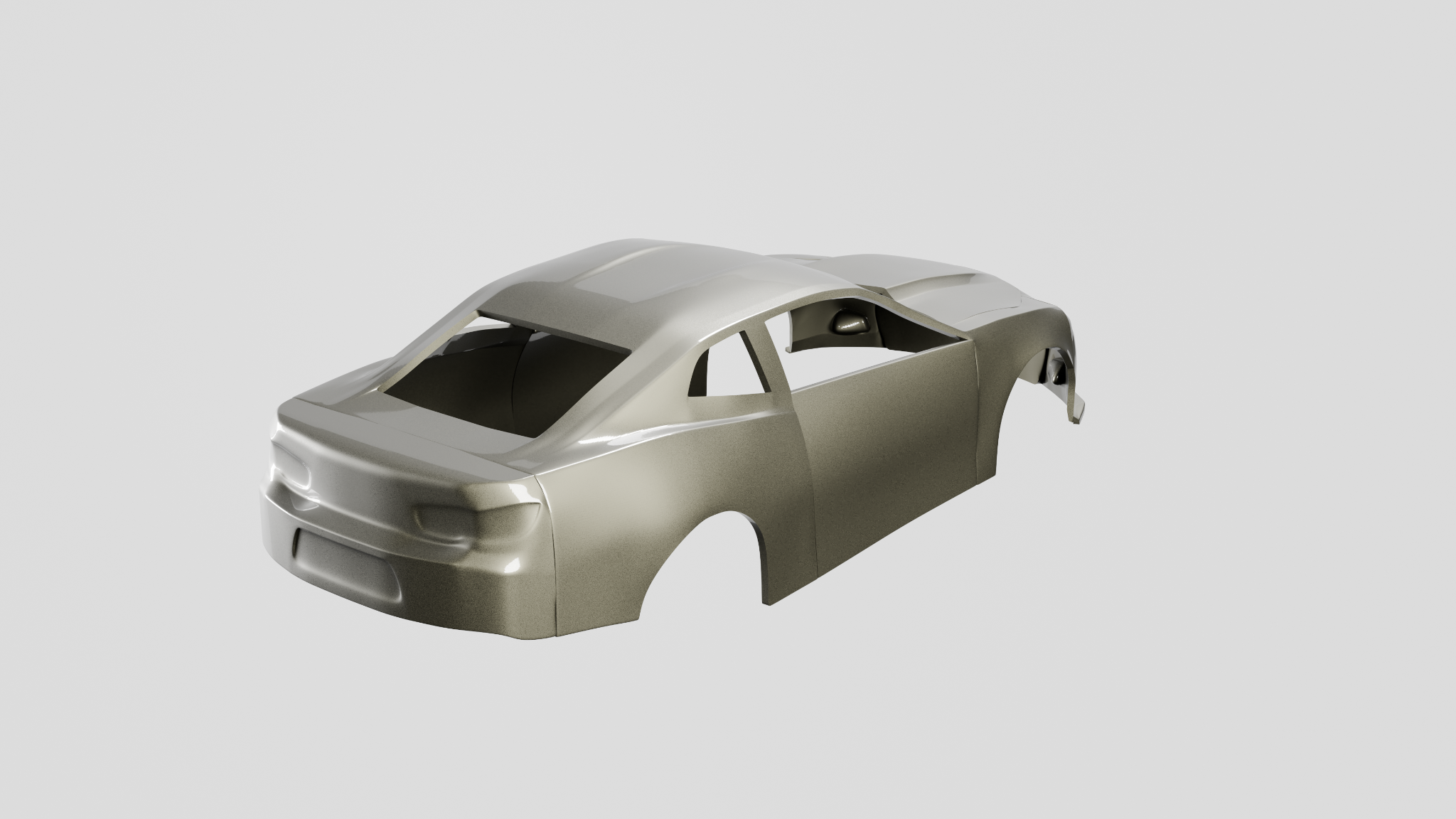
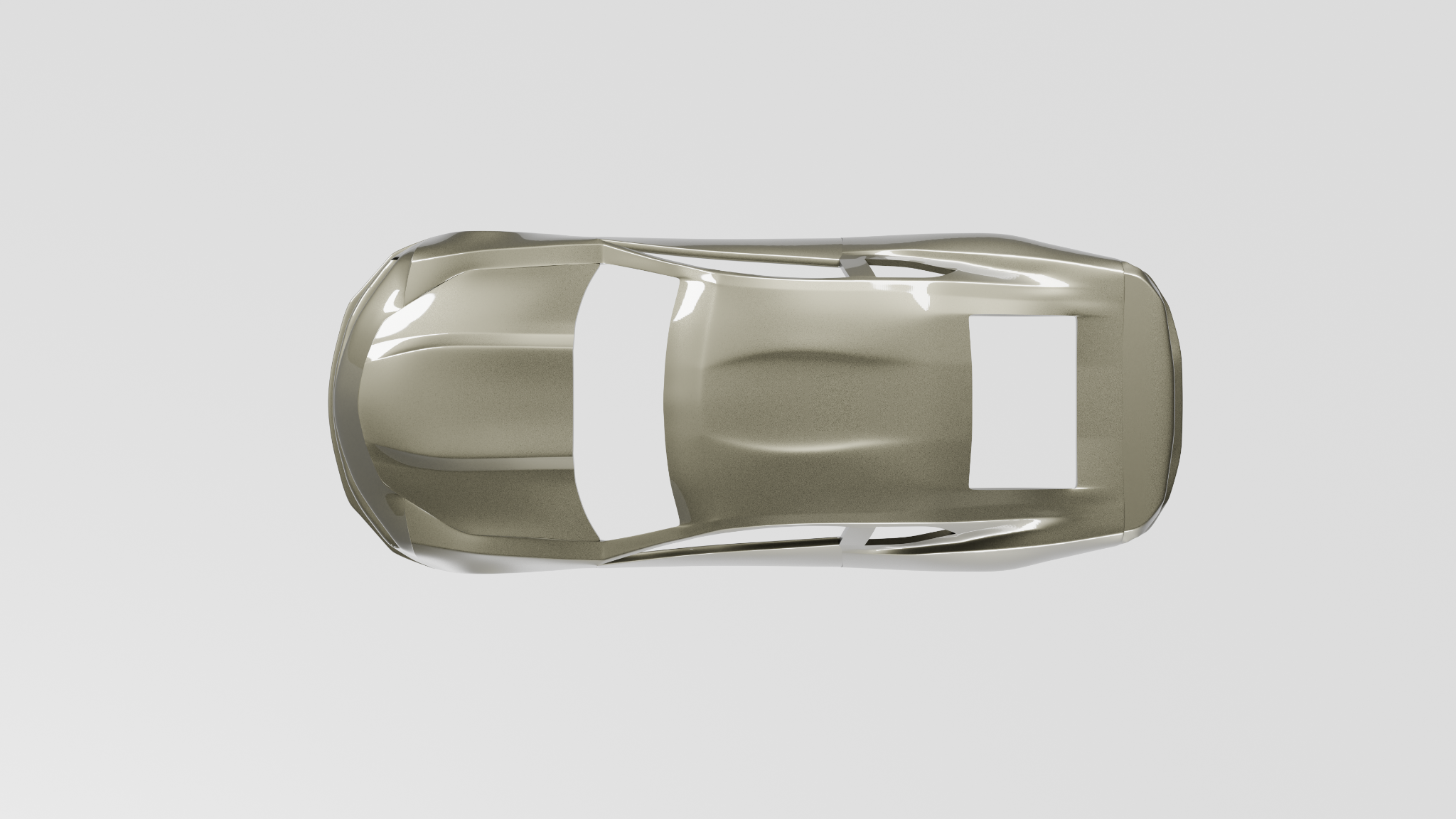
Reference imagery provided the foundation for the 3D model, allowing me to study the Camaro’s proportions, distinctive body lines, surface transitions, and exterior details. Using Blender and subdivision surface modeling, these characteristics were translated into a detailed digital model designed to maintain the recognizable form of the stock vehicle while being suitable for physical 3D printing.
2000s Cavalier Stock Car
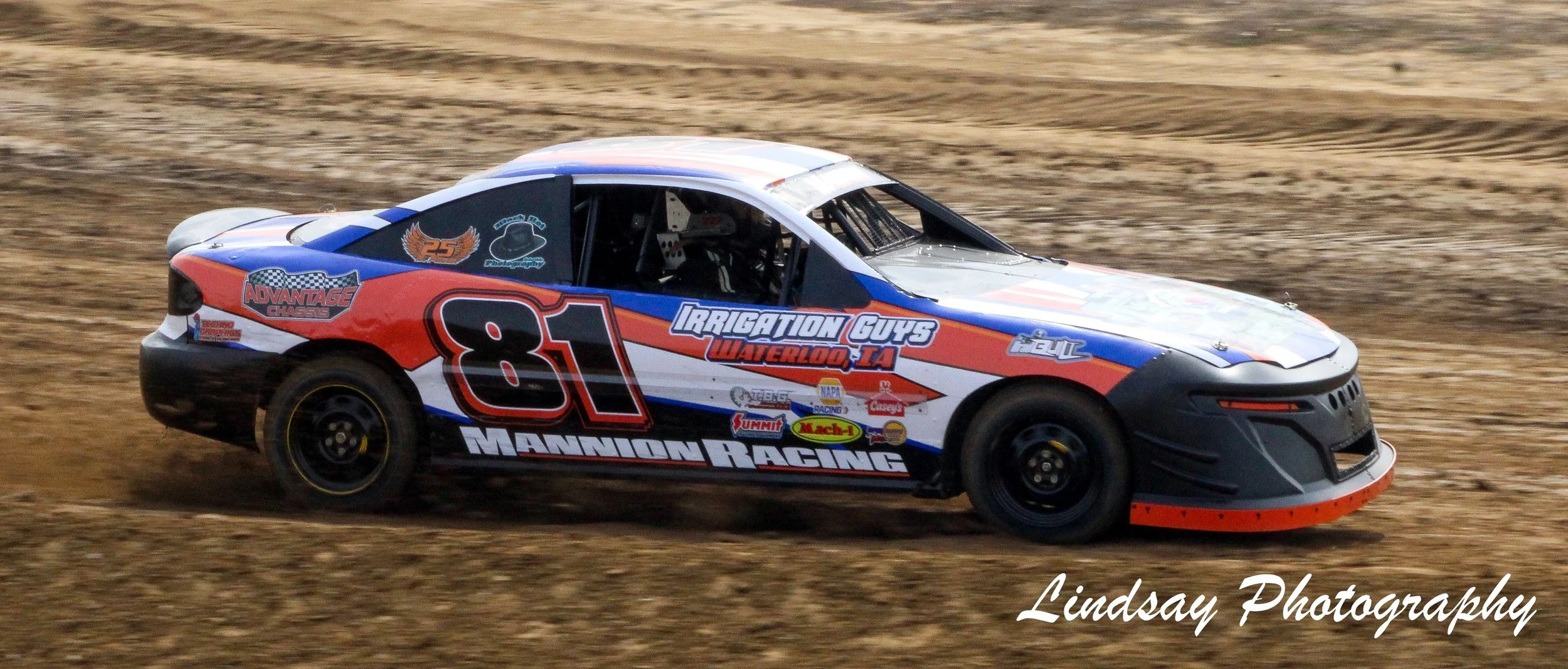
The Chevrolet Cavalier served as another reference vehicle for the replica modeling process. Reference imagery was used to study its proportions, body shape, silhouette, and distinctive exterior features, which were then translated into a detailed subdivision surface model in Blender.
Particular attention was given to the vehicle’s overall silhouette and surface transitions to create clean, accurate geometry that could serve as a foundation for the final 3D-printed replica.